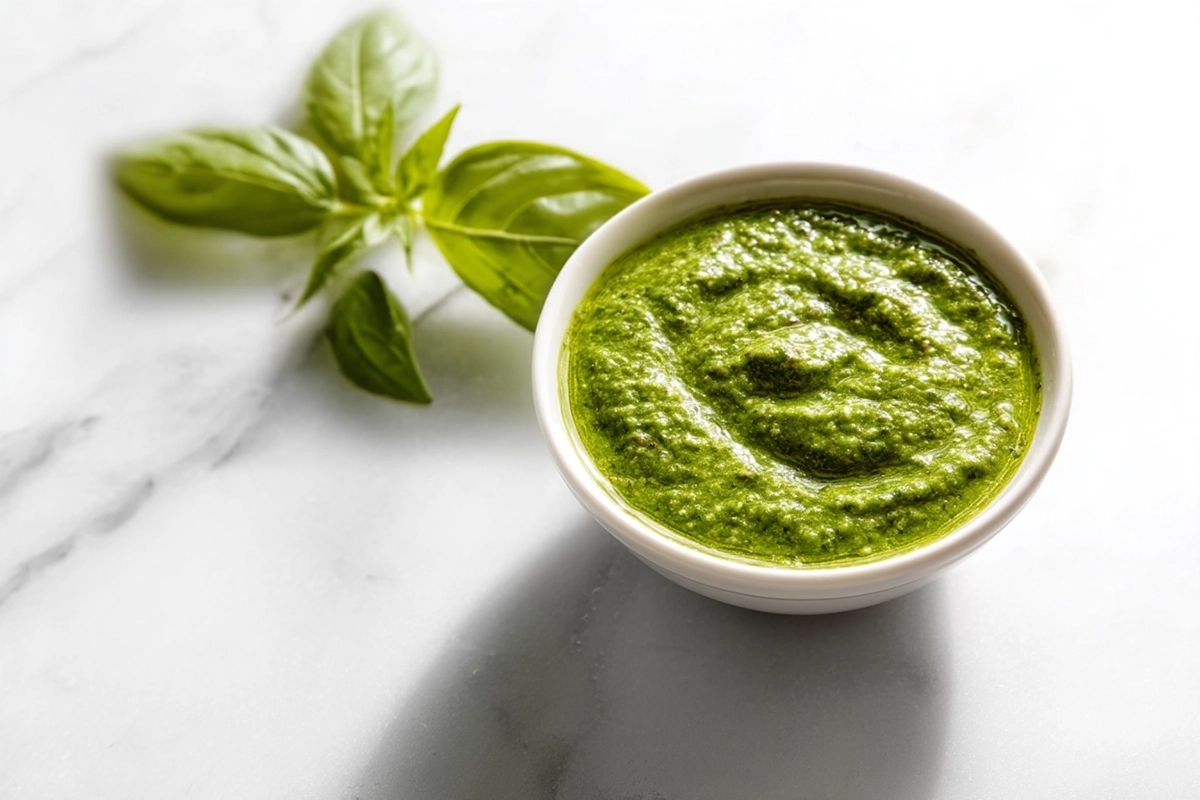
Making your own homemade basil pesto is like bringing a little piece of Italy into your kitchen. This bright green sauce, packed with fresh basil, garlic, pine nuts, Parmesan cheese, and extra virgin olive oil, is incredibly versatile and unbelievably tasty. Unlike the store-bought jars that often taste flat and oily, crafting pesto from scratch lets you experience its vibrant, fresh flavors exactly how it should be enjoyed.
In this article, you’ll discover everything you need to know about making the perfect pesto. From the best ingredients to clever preparation tips, plus how to tweak it to match different tastes or dietary needs — we’ve got it all covered. So, let’s dive straight into the first part and explore the heart of pesto: its history and why making it at home is a game-changer.
What Is Basil Pesto?
Basil pesto, known in Italy as pesto alla Genovese, is a classic green sauce with roots deep in Ligurian cuisine. Traditionally, it’s made with a mortar and pestle, which gently crushes the basil leaves with garlic, pine nuts, cheese, and olive oil into a thick, aromatic paste. According to the term “pesto” comes from the Italian verb pestare, meaning “to pound” or “to crush,” pointing to the authentic preparation method.
Pesto is more than just a sauce—it’s a symbol of Italian heritage. Whether it’s spread on a slice of rustic bread, stirred into a steaming bowl of pasta, or drizzled over fresh vegetables, pesto captures the essence of sun-drenched Mediterranean gardens in every spoonful.
The beauty of homemade basil pesto lies in its simplicity. With just a handful of fresh ingredients, you can create something that bursts with color, aroma, and flavor. And when made right, it’s far superior to anything you’ll find in a jar at the grocery store.
Why Make Pesto at Home?
Freshness You Can Taste
Store-bought pesto often lacks the pop of fresh basil and can taste oily or overly salty. When you make pesto at home, you’re using fresh basil leaves, high-quality olive oil, and your choice of cheese and nuts. That freshness translates to a flavor that’s lively, herbal, and completely irresistible.
Total Control Over Ingredients
One of the best perks of making homemade basil pesto is control. You can adjust the garlic level, use a little less oil for a thicker consistency, or even swap out pine nuts if you’re feeling adventurous. Plus, for anyone following special diets, it’s easy to make a vegan, nut-free, or low-sodium version with just a few tweaks.
Save Money Without Sacrificing Quality
Pine nuts can be pricey, sure, but even so, making pesto from scratch usually costs less than buying a tiny, pre-made jar. You can also use budget-friendly alternatives like walnuts or sunflower seeds without sacrificing taste. Fresh, homemade pesto offers better flavor, larger quantities, and a lot more value for your money.
Unmatched Versatility
Beyond pasta, pesto is a kitchen superhero. It livens up sandwiches, transforms simple salads, and adds a burst of flavor to grilled meats and roasted vegetables. And if you freeze it in small batches, you can enjoy the taste of summer all year long.
Ingredients Breakdown
Fresh Basil
Why Fresh Basil Matters
Fresh basil is the heart and soul of any good homemade basil pesto. It gives the sauce its bold flavor and bright green color. Always pick leaves that are deep green and free from brown spots. According to The Mediterranean Dish, the fresher the basil, the stronger and sweeter the flavor.
Tips for Choosing and Storing Basil
Choose small, tender leaves for the best taste. Large leaves can sometimes taste bitter. To store basil, place the stems in a glass of water and cover them loosely with a plastic bag. Keep them at room temperature, not in the fridge. Cold air can turn the leaves black fast.
Nuts: Pine Nuts and Alternatives
Pine Nuts – The Traditional Choice
Pine nuts are the classic choice for pesto. They add a rich, buttery flavor. But they can be expensive and sometimes hard to find.
Budget-Friendly Nut Options
No worries if pine nuts are out of reach. Walnuts, almonds, or even sunflower seeds are great swaps. Cookie and Kate recommends lightly toasting them first. Toasting makes them extra flavorful and brings out their natural oils.
Cheese: Parmesan and Variations
Parmesan for a Salty, Savory Kick
Good Parmesan cheese brings a salty, nutty punch to pesto. Grate it fresh for the best flavor. Pre-shredded cheese often has a powdery coating that can dull your sauce.
Other Cheeses You Can Use
Pecorino Romano is a sharper, saltier option if you like a stronger flavor. For a vegan version, skip the cheese and add a little nutritional yeast instead. It keeps the sauce rich and cheesy without the dairy.
Garlic
A Little Goes a Long Way
Garlic adds bite and depth. One or two small cloves are usually enough. If you find raw garlic too strong, roast it first. Roasting makes garlic sweet and mild, just like Self suggests.
Olive Oil
Choose High-Quality Olive Oil
Use a good extra virgin olive oil for your pesto. It gives the sauce a smooth, rich texture and brings all the flavors together. Cheap oils can taste bitter or greasy.
Lemon Juice (Optional)
Brighten Up the Flavor
Some people add a splash of lemon juice. It makes the pesto brighter and helps it stay green longer, as The Mediterranean Dish explains. If you love a fresh, zingy taste, lemon is a great addition.
Seasonings
Simple Seasoning Makes a Difference
Finish your pesto with a little salt and pepper. If you like heat, toss in a pinch of red pepper flakes. Fresh herbs like parsley or chives can also add fun twists.
Step-by-Step Preparation
Traditional Method: Mortar and Pestle
The Old-School Way
Making homemade basil pesto with a mortar and pestle is the classic method. It gives you a thicker, richer sauce. Crushing by hand keeps the flavors bold and fresh.
How to Do It
First, add garlic and a pinch of salt to the mortar. Crush until smooth. Add pine nuts and smash them into a paste. Then add basil, a handful at a time, and pound it gently. Finally, stir in Parmesan and slowly drizzle olive oil while mixing. According to this slow method brings out the best flavors.
It takes a bit more effort, but the taste is totally worth it.
Modern Method: Food Processor or Blender
The Quick Way
A food processor or blender makes pesto fast and easy. It’s perfect when you’re short on time.
How to Do It
Put garlic, nuts, and basil into the food processor. Pulse a few times until chopped. Add cheese and pulse again. Then, with the machine running, slowly pour in the olive oil. Stop when you reach a smooth but slightly chunky texture. Sally’s Baking Addiction suggests scraping down the sides to mix everything well.
It’s quick, simple, and still gives you fresh, tasty pesto.
Tips for Vibrant Green Pesto
Keep the Color Bright
Sometimes pesto turns dark. You can keep it green with a few tricks.
Blanch the Basil
Dip basil leaves quickly in boiling water, just for a few seconds. Then drop them into ice water. Dry them well before using. This trick locks in the color.
Add Lemon Juice
A squeeze of lemon juice helps keep the pesto bright and fresh. The Mediterranean Dish recommends this tip to slow down browning.
Store It Right Away
If you’re not using it immediately, store pesto with a layer of olive oil on top. This keeps the air out and helps it stay green longer.
Storage and Preservation
Refrigeration
Keep Pesto Fresh
Pesto doesn’t last long at room temperature. To keep it fresh, store it in an airtight container. Press it down so no air pockets stay inside.
Add a Layer of Olive Oil
Pour a thin layer of olive oil over the top. This trick protects the pesto from air and keeps it green. The Mediterranean Dish recommends this smart step.
How Long It Lasts
Fresh pesto will stay good in the fridge for up to 5 days. After that, it starts to lose flavor and color.
Freezing
Freeze for Later
Freezing is a great way to enjoy homemade basil pesto all year.
Best Freezing Method
Spoon the pesto into an ice cube tray. Freeze until solid. Pop the cubes out and store them in a freezer bag. This way, you can grab just what you need.
How to Thaw
To use frozen pesto, let it thaw in the fridge or at room temperature. If it looks dry, just stir in a little olive oil to bring it back to life.
Freezer Life
Frozen pesto stays good for up to 6 months. After that, it’s still safe but might lose some of its bright flavor.
Serving Suggestions
Pasta Dishes
Classic Pesto Pasta
Toss warm pasta with fresh basil pesto. Add a splash of pasta water to thin the sauce if needed. Stir until the noodles are well coated.
Other Pasta Ideas
Use pesto in stuffed pastas like ravioli. Mix it into gnocchi. Add it to baked pasta dishes like lasagna for an extra pop of flavor.
Sandwiches and Wraps
Spread It On
Swap mayonnaise for pesto on your favorite sandwich. Spread it on wraps for a fresh, herby twist.
Great with Proteins
Add pesto to grilled chicken, turkey, or veggie sandwiches. It makes every bite juicy and flavorful.
Salads and Dressings
Mix Into Salad Dressings
Blend a spoonful of pesto into your favorite vinaigrette. It adds a rich, herbal flavor that wakes up any salad.
Use in Pasta and Grain Salads
Toss pesto into cold pasta or grain salads. It brings big flavor without needing lots of extra ingredients.
Proteins and Vegetables
Top Grilled Meats
Spoon pesto over grilled chicken, fish, or steak. It acts like a simple, tasty sauce.
Roasted Vegetables
Drizzle pesto over roasted veggies. Try it on zucchini, potatoes, or carrots. It makes even simple sides special.
Variations and Dietary Adaptations
Vegan Pesto
How to Make It Vegan
Skip the cheese. Use nutritional yeast instead. It gives a cheesy flavor without any dairy.
Other Vegan Tips
Check your olive oil. Make sure it’s pure and fresh. Blend everything the same way you would for classic pesto.
Cookie and Kate suggest tasting as you go. Some might like a little extra lemon for balance.
Nut-Free Pesto
No Nuts Needed
Can’t have nuts? No problem. Use sunflower seeds or pumpkin seeds instead. They give pesto a rich, creamy texture.
Quick Tip
Toast the seeds lightly. It brings out a deep, nutty flavor without any nuts at all.
Alternative Greens
Swap the Basil
Basil is classic. But you can use arugula, spinach, or even kale if you want to switch things up.
Different Flavors
Arugula gives a peppery kick. Spinach makes it mild and sweet. Kale adds a bold, earthy taste. EatingWell recommends mixing greens for even more flavor.
Frequently Asked Questions (FAQ)
Can I Make Pesto Without a Food Processor?
Yes, You Can
Use a mortar and pestle. It’s the old way but still works great. You can also chop everything very fine by hand. Allrecipes explains both ways.
How Do I Prevent Pesto from Turning Brown?
Simple Tricks to Keep It Green
Use fresh basil. Add a little lemon juice. Store it with a layer of olive oil on top. The Mediterranean Dish shares this helpful tip.
What Are the Best Nuts to Use in Pesto?
Pine Nuts Are Classic
But you can also use walnuts, almonds, or sunflower seeds. Toasting the nuts or seeds first boosts their flavor. Cookie and Kate suggest trying different options.
Can I Freeze Pesto?
Yes, and It’s Easy
Spoon pesto into ice cube trays. Freeze, then pop the cubes into a freezer bag. Pesto will stay fresh for about 6 months. The Mediterranean Dish recommends this freezing method.
Is It Possible to Make Pesto Without Cheese?
Definitely
Just skip the cheese. Add nutritional yeast for that cheesy flavor without dairy. Cookie and Kate show how easy it is.
Conclusion
Embracing Homemade Pesto
Making homemade basil pesto is simple, quick, and rewarding. Fresh basil, good olive oil, and real Parmesan make all the difference. When you make it yourself, you control the taste, the quality, and the freshness.
Store-bought pesto can’t match the bright flavor and rich texture you get at home. Plus, homemade versions cost less and taste much better.
Encouragement to Experiment
Don’t be afraid to try new things. Swap nuts, change the greens, or skip the cheese if you want. Every little change brings a new twist to your pesto.
Whether you use it on pasta, sandwiches, or salads, pesto makes everything taste better. Keep a batch ready in your fridge or freezer — you’ll always have a little magic to add to your meals.
Print
Homemade Basil Pesto Recipe
5 Stars 4 Stars 3 Stars 2 Stars 1 Star
No reviews
- Author: Bachir Fasky
- Total Time: 10 minutes
- Yield: About 1 cup 1x
Description
Homemade basil pesto is a vibrant, flavorful sauce made with fresh basil, garlic, Parmesan, pine nuts, and olive oil. It’s perfect for pasta, sandwiches, or drizzling over grilled meats and veggies. Unlike store-bought versions, this pesto captures the true, fresh taste of Italian cuisine.
Ingredients
-
2 cups fresh basil leaves, packed
-
2 cloves garlic, minced
-
¼ cup pine nuts (or substitute with walnuts, almonds, or sunflower seeds)
-
½ cup grated Parmesan cheese
-
½ cup extra virgin olive oil
-
1 tbsp lemon juice (optional)
-
Salt and pepper, to taste
-
Optional: ¼ cup nutritional yeast (for vegan version)
Instructions
-
If using a food processor, combine garlic, pine nuts, and basil. Pulse until chopped.
-
Add Parmesan cheese and pulse again.
-
With the processor running, slowly pour in the olive oil. Stop when the pesto reaches a slightly chunky texture.
-
If you’re using a mortar and pestle, start by crushing garlic and salt, then add pine nuts. Gradually work in the basil leaves, followed by Parmesan, and drizzle in olive oil as you mash.
-
Stir in lemon juice if desired, and season with salt and pepper to taste.
-
Use immediately or store in an airtight container with a thin layer of olive oil on top.
Notes
For a dairy-free version, substitute Parmesan with nutritional yeast.
To preserve the bright green color, add a squeeze of lemon juice.
Store in the fridge for up to 5 days or freeze for up to 6 months.
- Prep Time: 10 minutes
- Cook Time: None
- Category: Condiment, Sauce
- Method: Blending, Crushing
- Cuisine: Italian