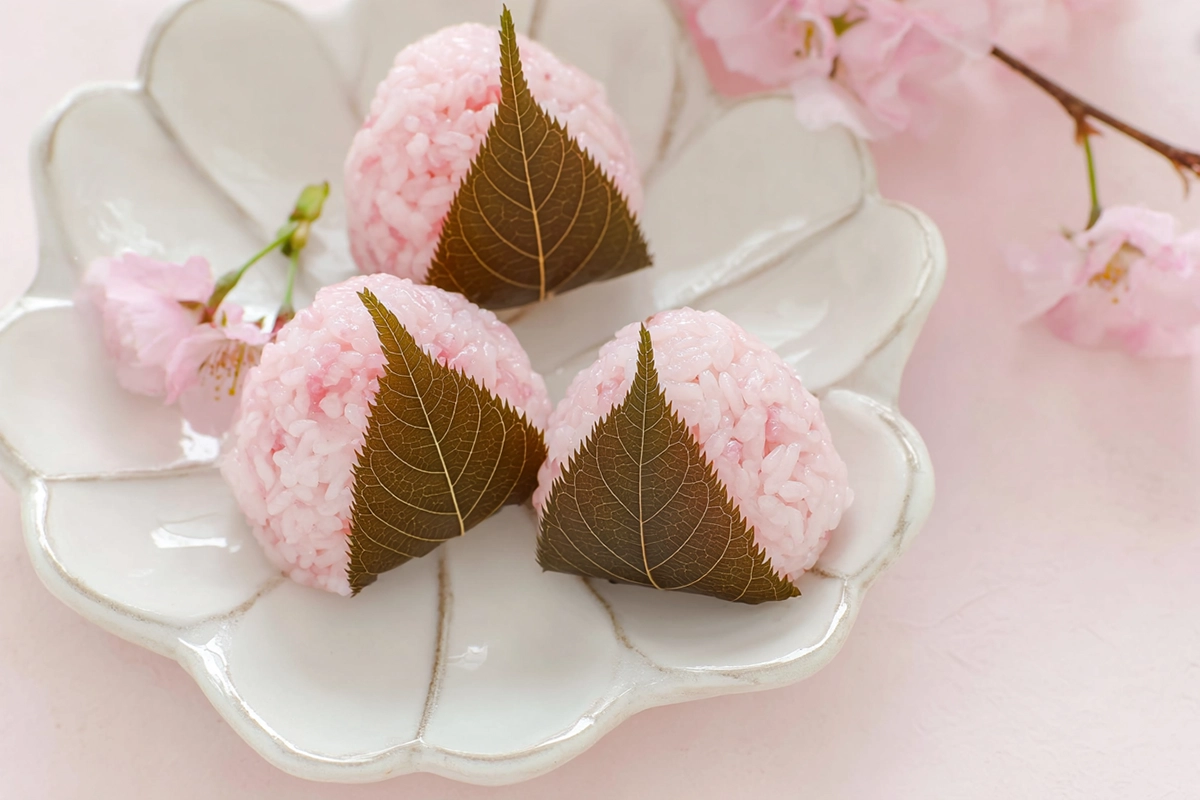
When I first experimented with Japanese Sakura Mochi, I wanted something that looked like a cherry blossom in dessert form — soft pink, subtle floral essence, and pure in flavour. If you’ve ever craved a cherry blossom dessert that feels elegant but isn’t fussy, you’re in the right place. As someone who loves vegan Japanese sweets, I’m always chasing that delicate balance: pretty presentation, deeply comforting, and plant-based.
This version of Japanese Sakura Mochi (Naturally Colored) uses beetroot juice and sakura powder to lend a gentle pink hue—no artificial dyes needed. Better yet, it’s essentially a mochi with red bean filling (hello, traditional favorite), yet vegan and light enough to enjoy without feeling overindulgent. Perfect for spring afternoon tea, cherry-blossom-themed gatherings, or just a quiet treat for yourself.
Why You’ll Love This Japanese Sakura Mochi
-
It captures the charm of a cherry blossom dessert without complicated techniques.
-
Uses natural ingredients—no synthetic colouring.
-
Delivers chewy texture and that familiar bean-sweet core you expect with mochi with red bean.
-
Vegan-friendly, fitting right into your repertoire of vegan Japanese sweets.
-
Small batch (4–5 pieces) — ideal for tasting, gifting, or sharing.
Ingredients
-
160 g (1 cup) sweet glutinous rice
-
180 ml (3/4 cup) filtered water
-
5 ml (1 tsp) beetroot juice
-
2.5 g (1/2 tsp) sakura powder
-
8 g (2 tsp) organic cane sugar
-
60 g (1/4 cup) red bean paste, chilled
-
4 pickled sakura leaves
Directions
-
Soak the rice overnight.
Cover the glutinous rice with cool water and leave it overnight so each grain is well hydrated. -
Mix the colouring liquid.
In a small bowl, combine the 180 mlof water, beetroot juice, sakura powder, and cane sugar. Stir until sugar dissolves. Meanwhile, soak the pickled sakura leaves in warm water to remove excess salt; set aside. -
Prep the rice.
Drain the rice and pulse briefly in a food processor—just enough to coarsely break up the grains (don’t overdo it or it turns into mash). -
Cook the mochi.
Place the rice in a large, microwave-safe bowl, pour in the beetroot–sakura mixture, and stir gently. Cover with a damp kitchen towel. Microwave on high 2 minutes, stir, then microwave another 2 minutes. The rice should emerge sticky and cohesive. -
Shape & fill.
Divide the mochi into 4 or 5 portions. Wet your hands (this prevents sticking) and flatten each into a small disc. Spoon ~1 tbsp of chilled red bean paste in the centre, then fold the mochi around it, sealing the edges. -
Wrap in a sakura leaf.
Pat the soaked sakura leaves dry, then wrap one leaf (vein side out) around each mochi ball. Let them rest 10–15 minutes so the floral aroma infuses.
Serve and enjoy within the same day for the best texture.
Tips & Tricks (Because I Love Sharing What I’ve Learned)
-
If your mochi feels too stiff after microwaving, sprinkle a few drops of water and knead gently—moisture is your friend.
-
Don’t pulse the rice too finely; you want a bit of grain structure so it doesn’t collapse fully.
-
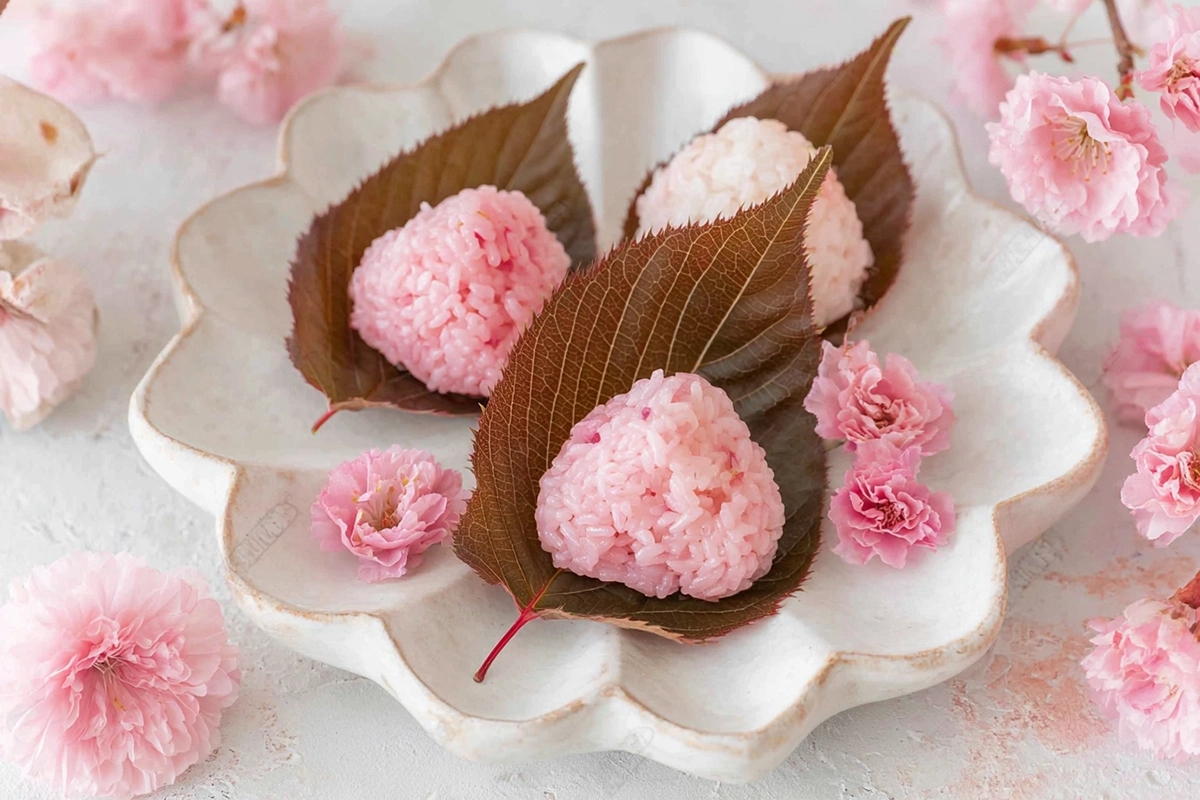
When wrapping with sakura leaves, go vein side out so the leaf pattern shows beautifully.
-
If your red bean paste is very firm, warm it briefly to make it pliable (but let it cool again before wrapping).
-
Serve mochi at room temperature—cold mochi can harden the texture.
-
If you can’t find sakura powder locally, a small pinch of pink pitaya (dragon fruit) powder can lend subtle colour as a backup.
What to Serve It With
These mochi desserts pair wonderfully with a simple green tea (sencha or matcha) to balance the sweetness. The grassy notes in tea cut through the sugariness and bring out the floral aroma. You might also present them alongside other vegan Japanese sweets, such as a small slice of vegan matcha cake or fruit jelly, to round out a springtime tea tray.
If you’re serving it during a gathering, line a platter with fresh cherry blossom petals or petals of plum blossoms for visual continuity. Use small plates and wooden picks—these treats are dainty and deserve an elegant presentation.
How to Store (Though They’re Best Fresh)
Because mochi with red bean fillings are at their prime soon after making, eat them within the first day if possible. If you must store:
-
Place each mochi in an airtight container with a small sheet of parchment to prevent sticking.
-
Keep at room temperature, away from direct sunlight.
-
Avoid refrigeration; cold will harden the mochi and compromise that chewy, tender texture.
-
If you want to stretch life just a little, you can lightly reheat (steam or microwave for ~5 seconds with a damp paper towel) before serving—but do so with caution to avoid sogginess.
FAQs You Might Ask (And I’ve Had ’Em, Too)
Can I skip beetroot juice or sakura powder?
You could, but then you lose the pink blossom hue. If you skip both, you’ll end up with plain white mochi. As a workaround, a tiny pinch of natural pink pigment (like pitaya powder) might help, but flavour and aroma won’t be the same.
Can I use store-bought mochi dough or mochiko flour?
Traditional sakura mochi uses whole grain (or slightly broken) glutinous rice for texture. Using mochiko (rice flour) changes the experience—so this recipe is meant to evoke classic mochi crunch and chew. If you adapt, treat it like a daifuku-style mochi.
What if I don’t have pickled sakura leaves?
The leaves add aroma and visual appeal, but it’s fine to omit them—your mochi with red bean will still taste delicious. Just wrap in parchment or eat as is.
Can I make more servings?
Absolutely. Just scale ingredients proportionally. But I suggest working in small batches so shape and moisture control remain manageable.
When you bite into this softly pink Japanese Sakura Mochi, you’re tasting a little spring memory—the blush of petals, the whisper of floral air, the sweet hug of red bean. I hope it becomes one of your favourite cherry blossom desserts to make and share. Dive in, wrap that leaf (or don’t), and let the gentle magic of vegan Japanese sweets awaken your senses in every bite.
Discover more delicious recipes by following me on Facebook and Pinterest.
Print
Japanese Sakura Mochi
- Total Time: 20 minutes
- Yield: 4–5 pieces 1x
- Diet: Vegan
Description
Japanese Sakura Mochi (Naturally Colored) is a soft, pink-hued mochi dessert wrapped in pickled sakura leaves and filled with sweet red bean paste. Naturally tinted with beetroot juice and sakura powder, this vegan cherry blossom treat captures the beauty of spring in both flavor and appearance—delicate, chewy, lightly floral, and perfect for tea time or seasonal gatherings.
Ingredients
-
160 g (1 cup) sweet glutinous rice
-
180 ml (¾ cup) filtered water
-
5 ml (1 teaspoon) beetroot juice
-
2.5 g (½ teaspoon) sakura powder
-
8 g (2 teaspoons) organic cane sugar
-
60 g (¼ cup) red bean paste, chilled
-
4 pickled sakura leaves (soaked to remove excess salt)
Instructions
-
Soak the rice: Cover glutinous rice with water and soak overnight.
-
Prepare coloring liquid: In a bowl, mix water, beetroot juice, sakura powder, and sugar until dissolved. Soak sakura leaves in warm water to reduce saltiness.
-
Process rice: Drain soaked rice. Pulse briefly in a food processor to coarsely break grains.
-
Cook rice: Place rice in a microwave-safe bowl. Pour in beetroot–sakura liquid. Cover with a damp towel. Microwave 2 minutes, stir, then microwave another 2 minutes until sticky and cohesive.
-
Shape and fill: Divide rice into 4–5 portions. With wet hands, flatten each into a disc. Place 1 tbsp red bean paste in the center. Fold and seal into a ball.
-
Wrap: Pat the sakura leaves dry. Wrap each mochi with a leaf (vein side out). Let rest 10–15 minutes before serving.
Notes
If rice is too stiff, sprinkle with water and knead.
Do not over-pulse rice; some texture is desired.
Wrap with leaves vein side out for a beautiful finish.
Avoid refrigerating; mochi hardens when cold.
Eat fresh, ideally within the same day.
- Prep Time: 15 minutes
- Cook Time: 5 minutes
- Category: Desserts
- Method: Microwave / Assembly
- Cuisine: Japanese